


fc178 | The Enchanting World of RPG Games: A Dive into Fantasy and Adventure
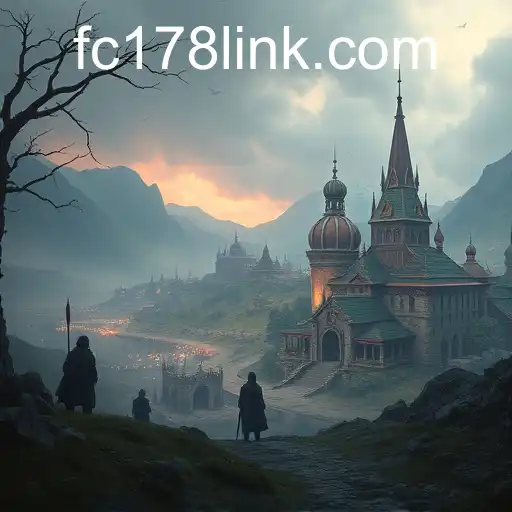
Role-playing games, commonly known as RPGs, have long captivated the imaginations of players around the world. These games offer an interactive experience that is unlike any other, blending storytelling, character development, and intricate world-building into an experience that is deeply personal and immersive. Whether you are embarking on a quest to save a doomed kingdom or exploring a sandbox world filled with endless possibilities, RPGs provide a gaming experience that encourages exploration, strategy, and creativity.
A defining feature of RPGs is their focus on storytelling. Players are often thrust into a rich tapestry of narratives that are influenced by mythology, folklore, or original fantasy worlds. This genre invites players to become a part of the story through their decisions, ultimately influencing the game’s outcome. Many popular RPGs are identified by their deep lore and extensive character arcs, which allow for a more invested and emotional connection to the game.
Character development is another pillar of RPG games, offering players a chance to grow alongside their in-game persona. Most RPGs start with character creation, where players can customize appearance, skills, and backstories. As players navigate the game, their characters gain experience, learn new skills, and obtain better gear. This growth system allows for a personalized journey for each player, making each playthrough a unique experience.
RPG games also excel in providing expansive worlds to explore. From the medieval fantasy landscapes of Skryim to the futuristic cities in Cyberpunk 2077, the environmental storytelling in RPGs enhances the gaming experience by offering realistic settings where players can truly feel the breadth of the game’s universe. These environments are often filled with quests, side stories, and hidden secrets, inviting exploration and player agency.
In recent years, the RPG genre has expanded beyond traditional formats. Developers now incorporate RPG elements into various other genres, resulting in hybrid forms like action RPGs or strategy RPGs, broadening the appeal and versatility of these games. Online multiplayer components have also introduced collaborative and competitive dynamics, allowing players to interact with others in these expansive worlds.
Despite the innovations and changes, the heart of RPGs remains unchanged: the ability to become part of a story larger than oneself, to make meaningful choices, and to experience the thrill of journeying through incredible worlds. This is the magic that continues to enchant players and ensures that RPGs remain a beloved genre in the gaming community.
